

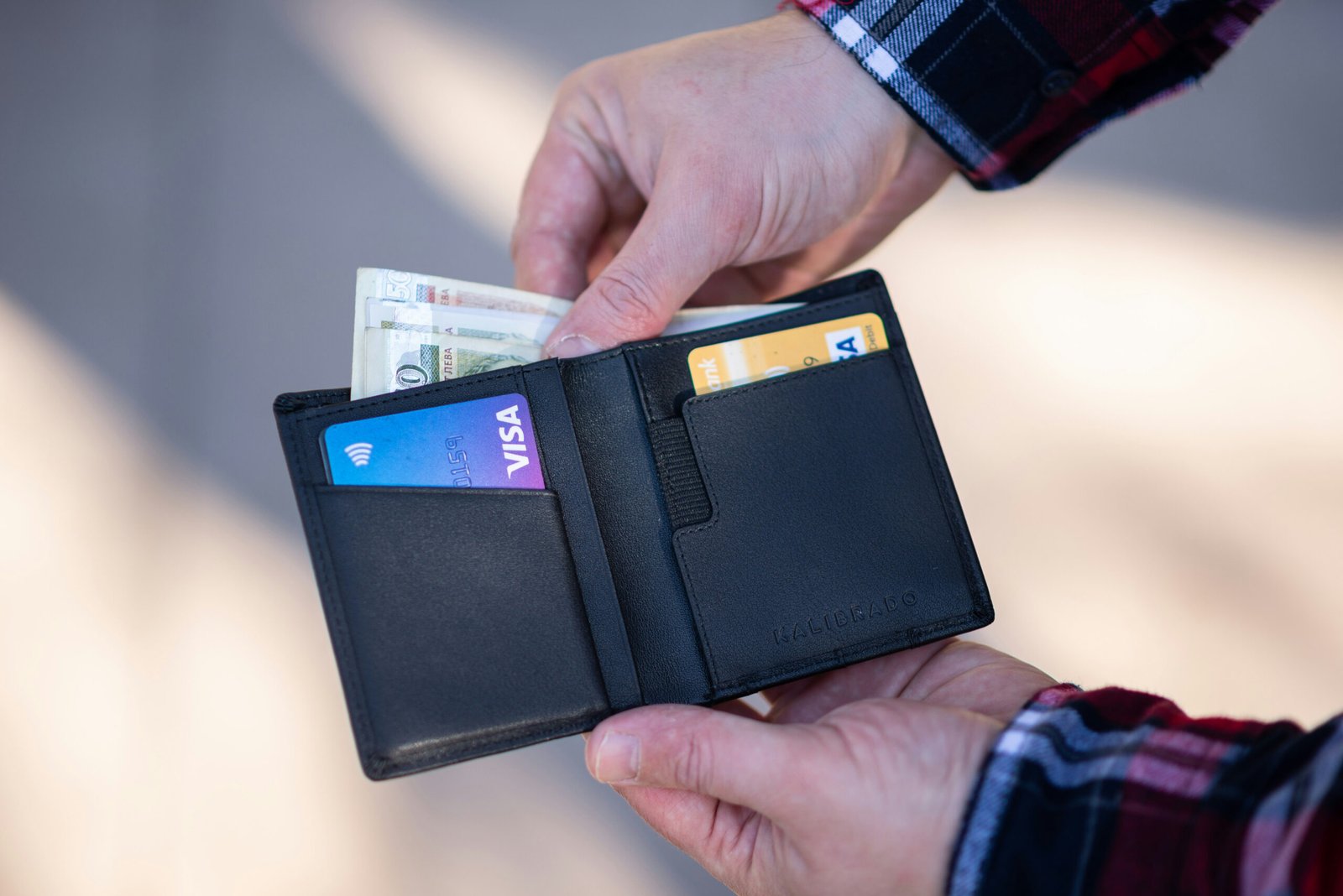
In 2025, UK holidaymakers continued to shift away from carrying physical cash when travelling. The growing popularity of prepaid travel cards reflects the broader move toward safer, traceable and more convenient payment methods. This shift is supported by new consumer insights, changing spending habits and increased reliance on digital wallets.
Publicly available reports across 2024 and 2025 show that prepaid cards now play a central role in how travellers plan and manage holiday spending. Their appeal lies in their combination of security, budgeting control and digital compatibility, making them one of the most practical alternatives to cash for modern travellers.
Security concerns are pushing travelers away from cash
Holidaymakers who carry cash face risks ranging from theft to misplaced currency. These concerns are driving many to adopt secure payment tools.
MoneyHelper, the UK’s government-backed financial guidance service, notes that prepaid cards provide built-in protection because users cannot spend more than the amount loaded. If a card is lost or stolen, its exposure is limited to the preloaded balance rather than an entire bank account, making prepaid cards a safer option for travel.
Travellers also value the ability to freeze or replace a prepaid card, something that is not possible with physical cash. This added layer of control has contributed to a steady decline in the amount of cash Britons carry abroad.
Cost-of-living pressures make prepaid cards a smarter choice
The cost-of-living crisis has made travellers more cautious with their holiday budgets. Prepaid cards help people avoid overspending because the balance is fixed.
A publicly accessible UK survey published on PR Newswire found that 34% of respondents used prepaid cards to stay in control of daily finances, while 26% used them to avoid debt. These motivations translate directly to holiday spending, where travellers want predictable limits and protection from unexpected fees.
This shift shows that travellers are seeking financial tools that help them manage holiday costs without relying on credit or withdrawing large amounts of cash.
Prepaid cards are increasingly used for travel budgeting
Research from the Fiserv UK Annual Prepaid Consumer Insights Survey shows that travellers use prepaid cards for managing specific spending categories, including restaurants, sightseeing, shopping and transport.
Prepaid cards also allow users to:
- Separate holiday funds from everyday accounts
- Lock in Spending Limits
- Tract transactions in real time
- Reduce the risk of unauthorized activity
Digital wallet compatibility has further accelerated this shift. With most prepaid cards now supported by Apple Pay and Google Pay, travellers can make contactless payments abroad while keeping their physical cards securely stored.
Prepaid cards reduce the hassle of managing foreign currency
Carrying large amounts of cash abroad presents several challenges:
- Currency exchange queues
- Incorrect denominations
- Difficulty tracking daily spending
- Higher risk in crowded travel locations
Prepaid cards eliminate these pain points by allowing travellers to load funds in their preferred currency or rely on card-issuer FX rates. The ability to review daily spend via mobile apps helps travellers remain aware of their holiday budget from the moment they arrive.
Aashish Sharma, Strategy Consultant at ptc., said:
“Travellers want a payment method that is simple, safe and predictable. Prepaid cards offer all three. The ability to load a fixed amount, track every transaction and freeze the card instantly gives holidaymakers far more confidence than carrying cash. As people become more aware of their spending habits, prepaid cards provide peace of mind during trips.”
Conclusion
Holidaymakers are steadily moving away from cash in favour of prepaid cards. With clear budgets, enhanced security features and digital wallet compatibility, prepaid cards provide significant advantages for modern travel. As UK consumers continue to adopt cost-conscious and safety-focused financial habits, prepaid cards are set to remain a preferred choice for managing holiday spending throughout 2025 and beyond.
What You Should Do Now
Found your prepaid card? Not yet? Here are 4 ways ptc. can help you choose and use the right prepaid or travel money card:
Compare All Cards in One Place.
Visit our dedicated category page to explore and compare travel money cards – all in one view, updated regularly with the latest fees, limits, and features.
Read Expert Reviews.
Head to our Prepaid Card Reviews section for in-depth reviews of leading prepaid and travel cards, including detailed breakdowns of fees, limits, and benefits to help you find the perfect match.
Explore In-Depth Guides.
Browse our Prepaid Card Guides to understand how prepaid cards work, how to manage top-ups, fees, and security, and how to get the best value across different card types and currencies.